AI Agent Services — Built, Bounded, and Supervised
Every agent engagement starts with the same conversation: what will this agent own, what does success look like in numbers, and where does the boundary sit between what it decides alone and what it hands to a human. We agree that with you before we build — because an agent is only as good as the judgement that drew its boundaries. If you are still comparing options, see our <a href="/blog/ai-implementation-agency-uk-guide">guide to choosing an AI implementation agency</a> for the questions worth asking before you sign anything.

Agentic Workflow Automation
Workflows where an agent owns the outcome — reads, decides, acts, escalates.
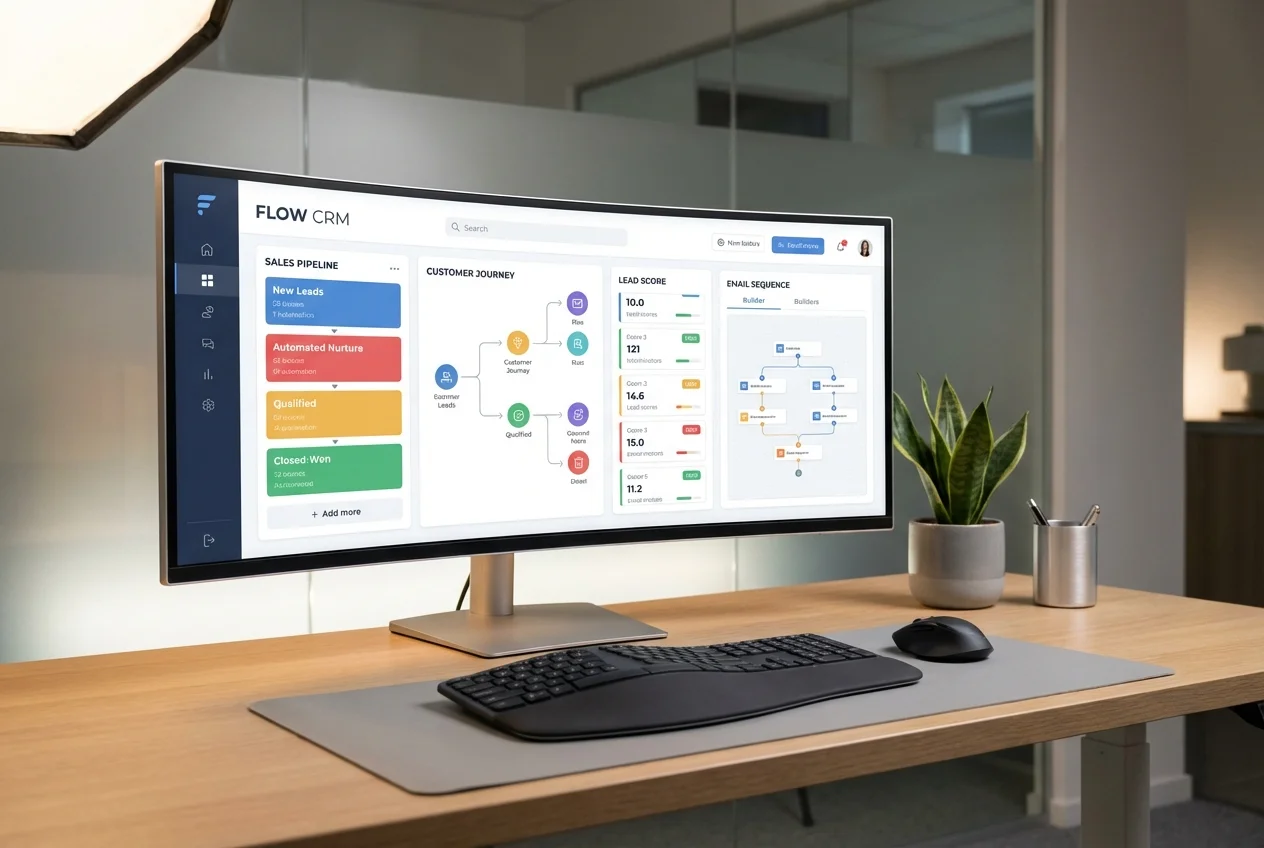
Sales & CRM Agents
An agent that reads every enquiry, scores real intent, and drafts the first reply.
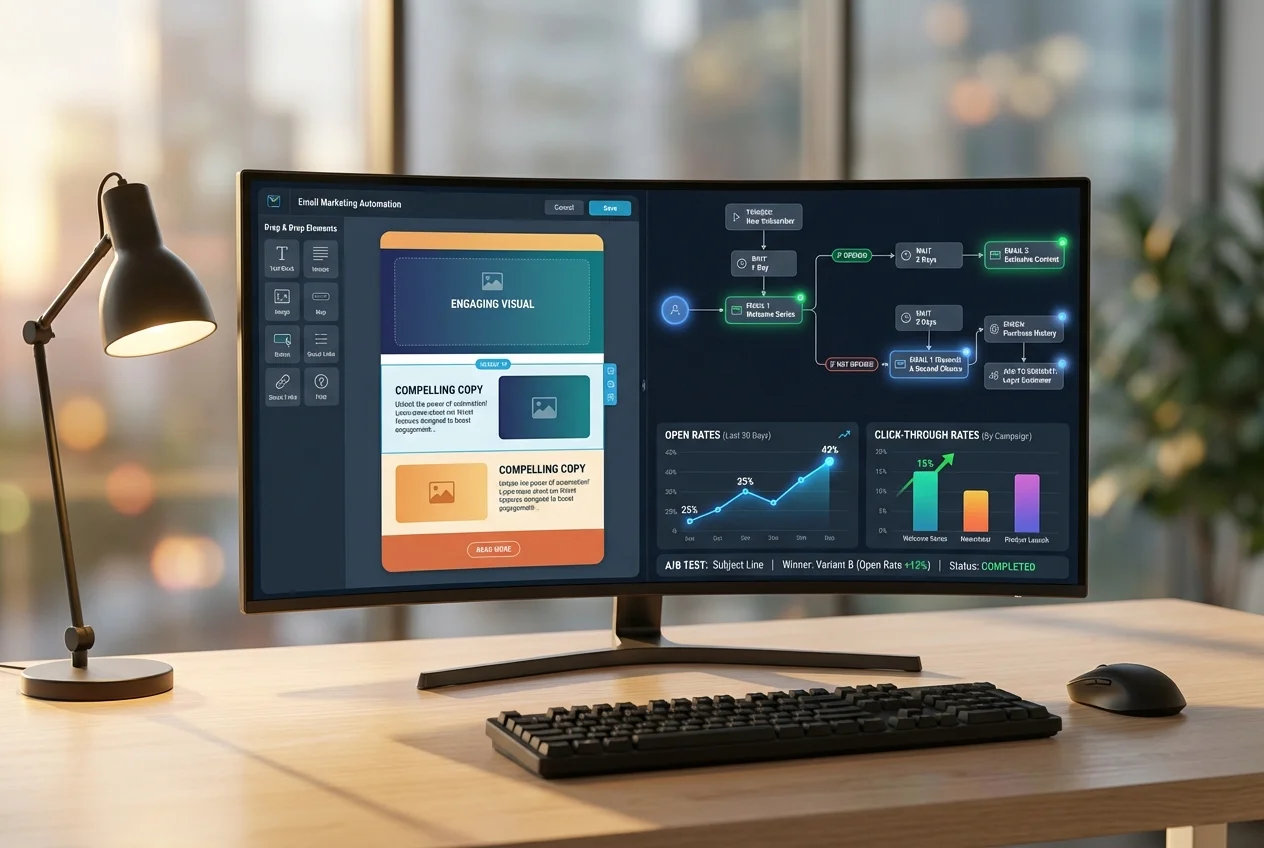
Lifecycle & Outreach Agents
Per-contact decisions on what to say and when — grounded in real behaviour.
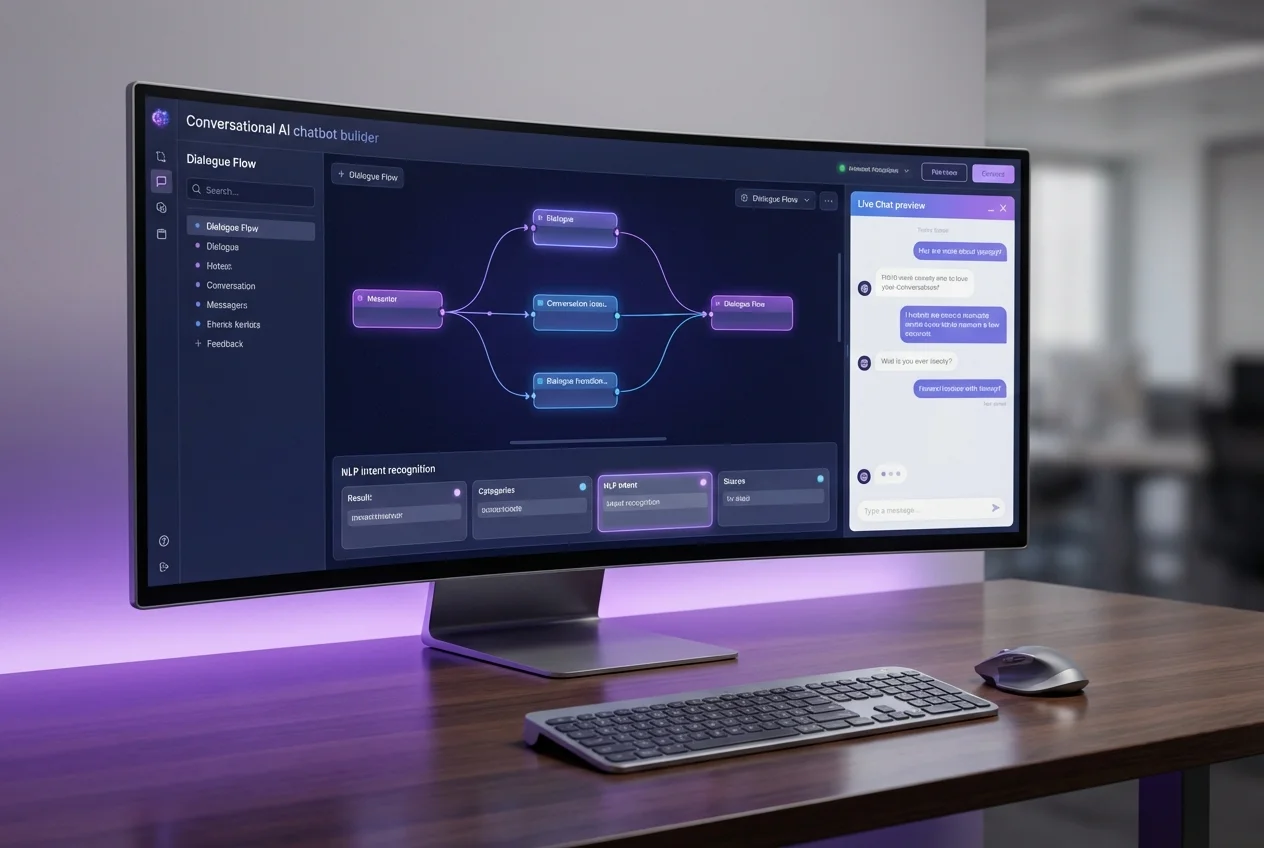
Customer-Facing AI Agents
Agents that resolve conversations end-to-end — and hand over with full context.
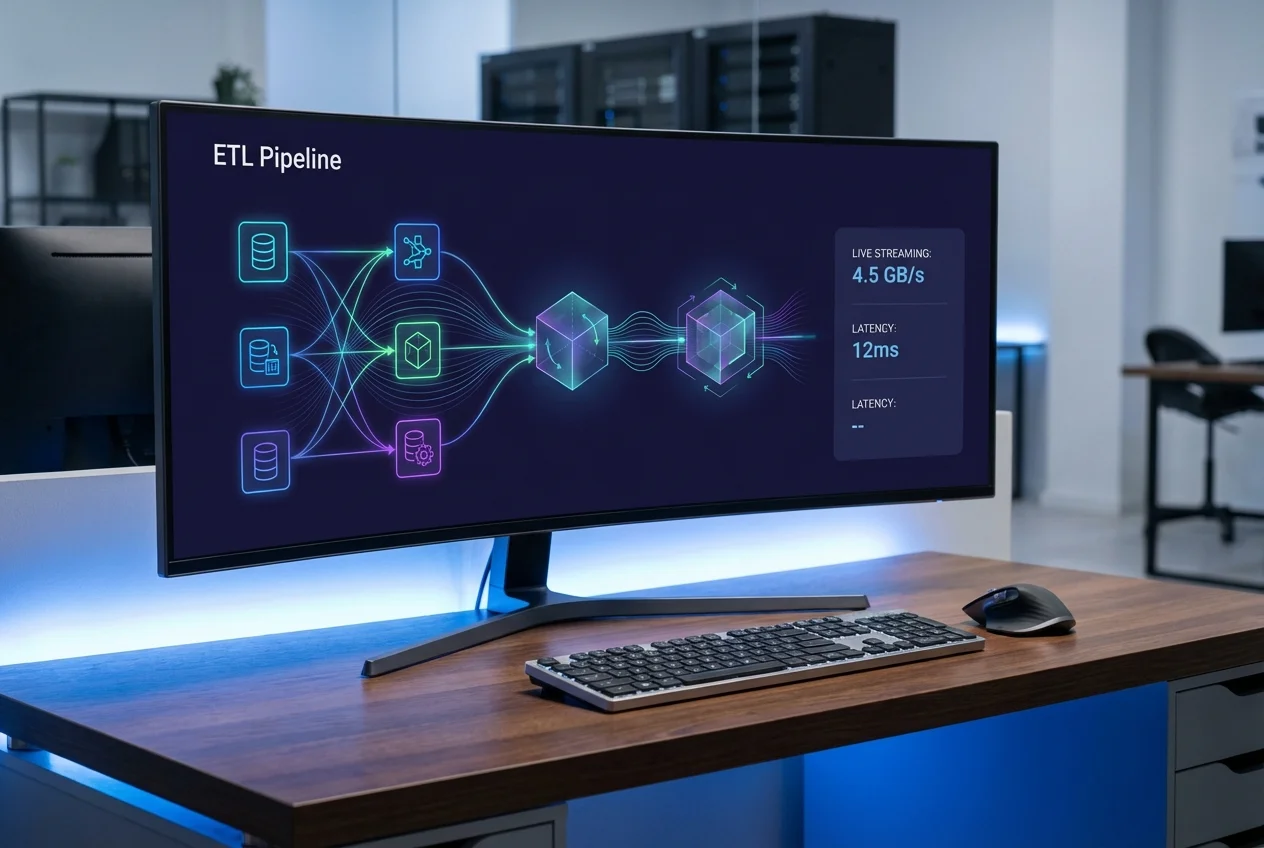
Document & Data Intelligence
Agents that read, validate, and file the documents your team keys in by hand.

Agent Readiness & Roadmap
Which processes an agent can own, which need a human in the loop — scored honestly.
How We Work
Our Process
A systematic approach to building excellence.
Define Success Together
The numbers the engagement will be measured by — agreed before anything is built.
Design the Boundaries
What the agent decides alone, what it escalates, what it never touches. You sign it off.
Build & Red-Team
Senior engineers build it, then attack it until it fails safely.
Supervise, Then Trust
Live with every decision logged; autonomy widens on evidence, not optimism.
Frequently Asked Questions
Agents are the specialism; plain automation is still in the toolbox. Where a process is fully rule-describable, a deterministic workflow is cheaper, faster, and more predictable — and that is what we will build, or we will point you at our sister automation practice. The scoping question we answer honestly is which layer each step of your process deserves.
That is the recommended path, not a concession. A first agent from £1,000 on one contained process — with success metrics agreed upfront — tells both of us more than any proposal document. Nearly all of our larger programmes started as one bounded agent that earned its keep and made the next one obvious.
Fixed-price per phase — discovery, boundary design, build, supervised rollout — so scope surprises are ours to absorb, not yours. Ongoing supervision and evolution run as an optional retainer. The pricing driver is the risk profile of the agent's actions more than the technical complexity: customer-facing and money-touching agents carry more validation and red-team effort, and the quote will show that line by line.
You do. Prompts, boundary documents, integration code, and knowledge bases are yours, version-controlled and documented well enough for another engineer to maintain. We earn the maintenance relationship by being good at it, not by holding your system hostage — lock-in is not a business model we respect.
By design: agents receive the minimum fields needed for the decision rather than whole records, model calls run under DPAs with residency options, your data is not used for training, and every agent permission is scoped and logged. For processes touching special category data we design the human-in-the-loop checkpoint in from the start and will walk your DPO through the architecture before build.
The decision logs make underperformance visible early and diagnosable precisely — which cases, which boundary, which reasoning step. We tune under the supervised-rollout phase at our cost until the agreed success metrics are met; if a process turns out to be genuinely unsuitable, we say so and stop, because running a bad agent damages your operation and our name in equal measure.
Yes. Agents slot into existing estates constantly — reading from queues your Zapier flows fill, writing to systems your scripts maintain. During scoping we map what you already run so the agent complements rather than duplicates it, and we will tell you if an existing automation is about to become the weakest link in the chain.
Your choice, made properly. Under a retainer we supervise weekly: reviewing logged decisions, tightening boundaries, evolving prompts as your business shifts. Alternatively we train your team into the supervision role with runbooks and escalation criteria. Either way the handover is real — documentation, logs, and version control mean you are never dependent on us involuntarily.
A written scope of exactly which processes will be automated, which decisions stay with an AI agent versus a fixed rule, a fixed price per phase, and a named senior engineer you can reach directly rather than an account manager relaying questions. Any automations agency that cannot answer those four points before contract is not ready to build inside your operation — <a href="/free-consultation">book a scoping call</a> and we will walk you through ours.