Education
What Is AI Automation? A Plain-English Guide for Business Leaders
·9 min read
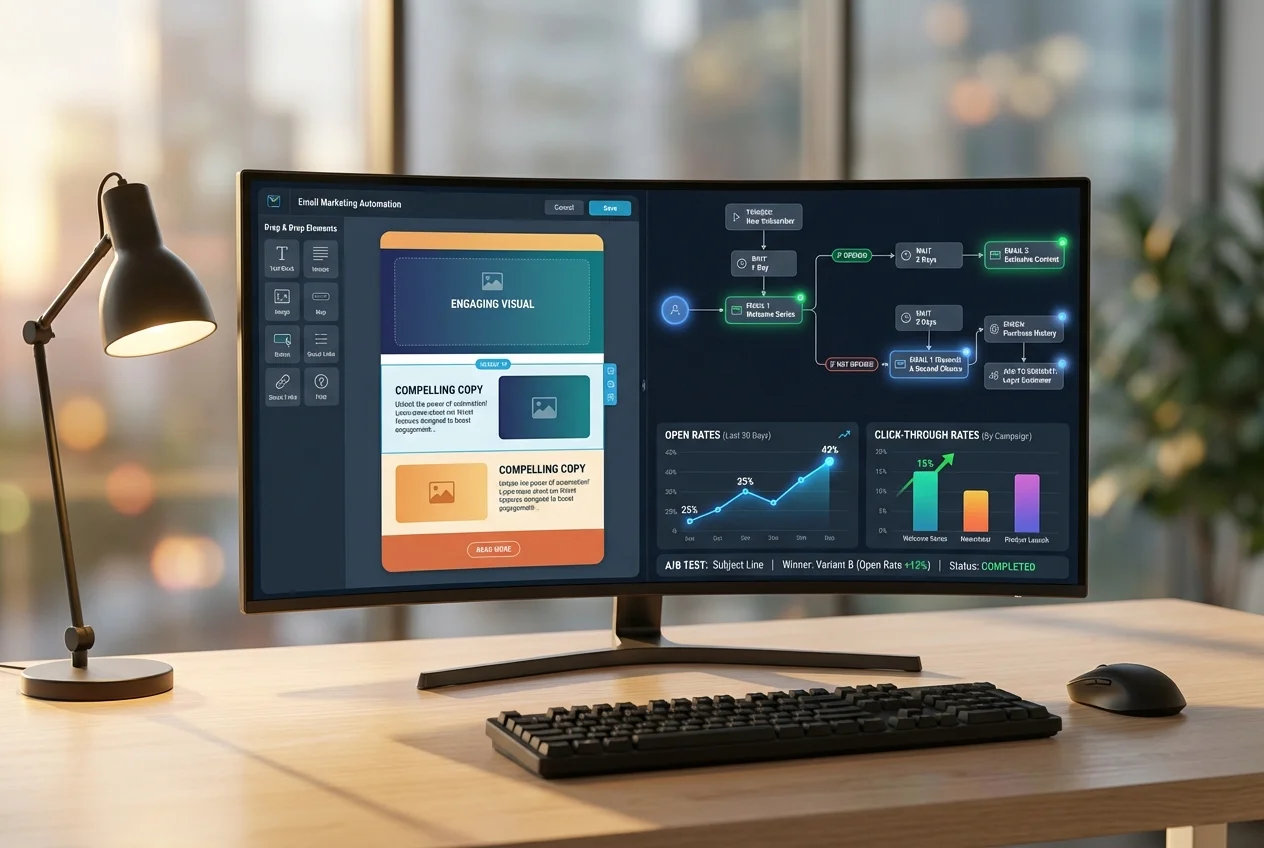
Classic marketing automation sends the same message to everyone who matches a segment, on a schedule someone set months ago. A lifecycle agent works one contact at a time: it looks at what this person did — the page they lingered on, the question they asked, the objection in their last reply, the invoice they just paid — and decides whether to write, what to say, and when saying it would actually be welcome. The output is outreach that reads like a thoughtful human wrote it in the right moment, at a volume no human team could sustain.
Every outreach agent we ship starts in review mode: it drafts, your team approves. The agent operates inside brand-safety rules it cannot cross — claims it may not make, tones it may not take, topics it must avoid, contacts it must not touch — and those rules are written with you, not inferred. Autonomy widens per flow as the edit rate falls, and some flows reasonably stay human-approved forever. That staging is a feature of the engagement, not a limitation of the technology.
If your nurture performance has plateaued because every contact in a segment gets identical content; if win-back sends go out blind to why the customer left; if your team knows the follow-ups that should happen but cannot staff the volume — this is the gap a lifecycle agent closes. If you have not yet nailed a basic welcome sequence, start there; we will say so rather than sell you an agent you are not ready to use.
The value here is not sending more email — it is the judgement encoded in each send decision, designed with senior engineers and your marketing lead together. We agree upfront what success means (reply rate, meetings, reactivations, revenue influenced — your call), instrument it, and review it with you. If a flow is not earning its place, we will be the first to say switch it off.


 Agentic Workflow Automation
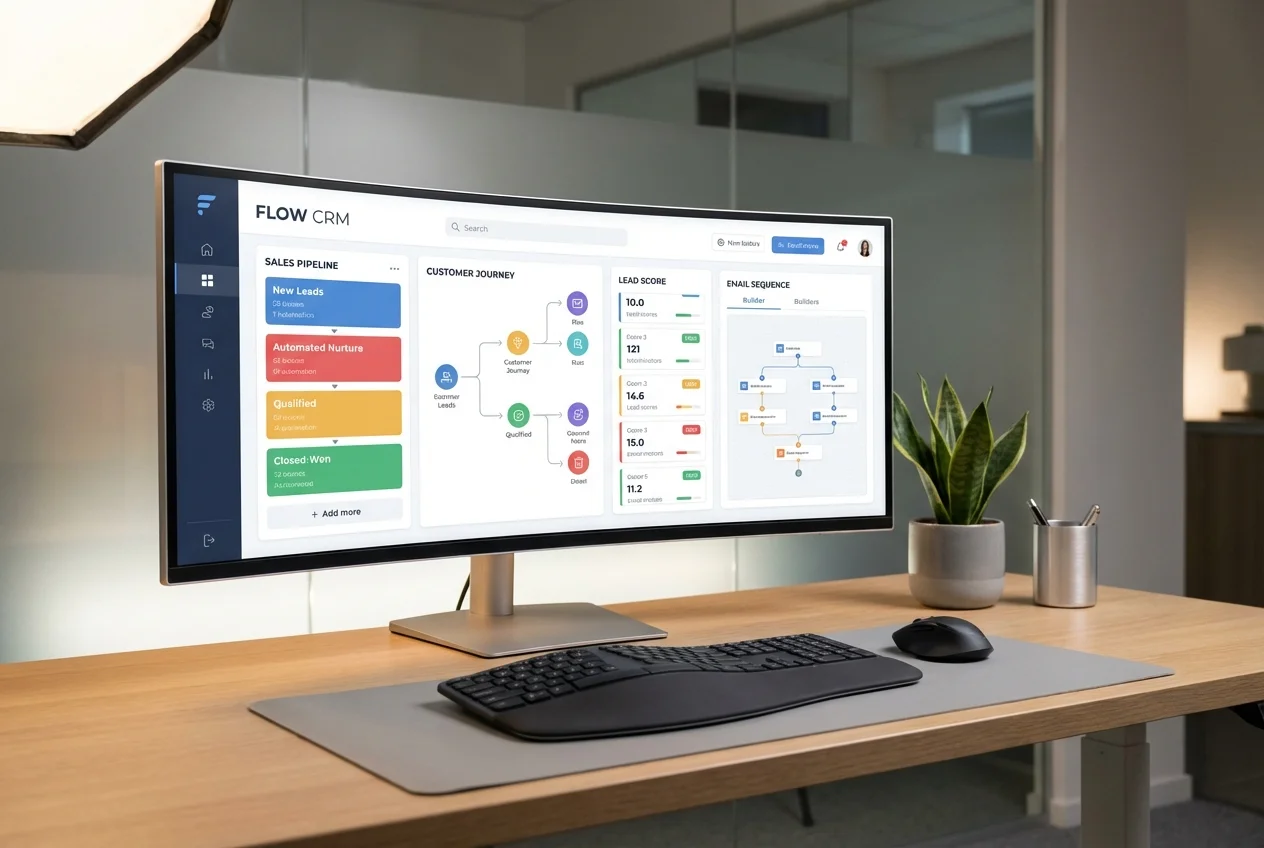 Sales & CRM Agents
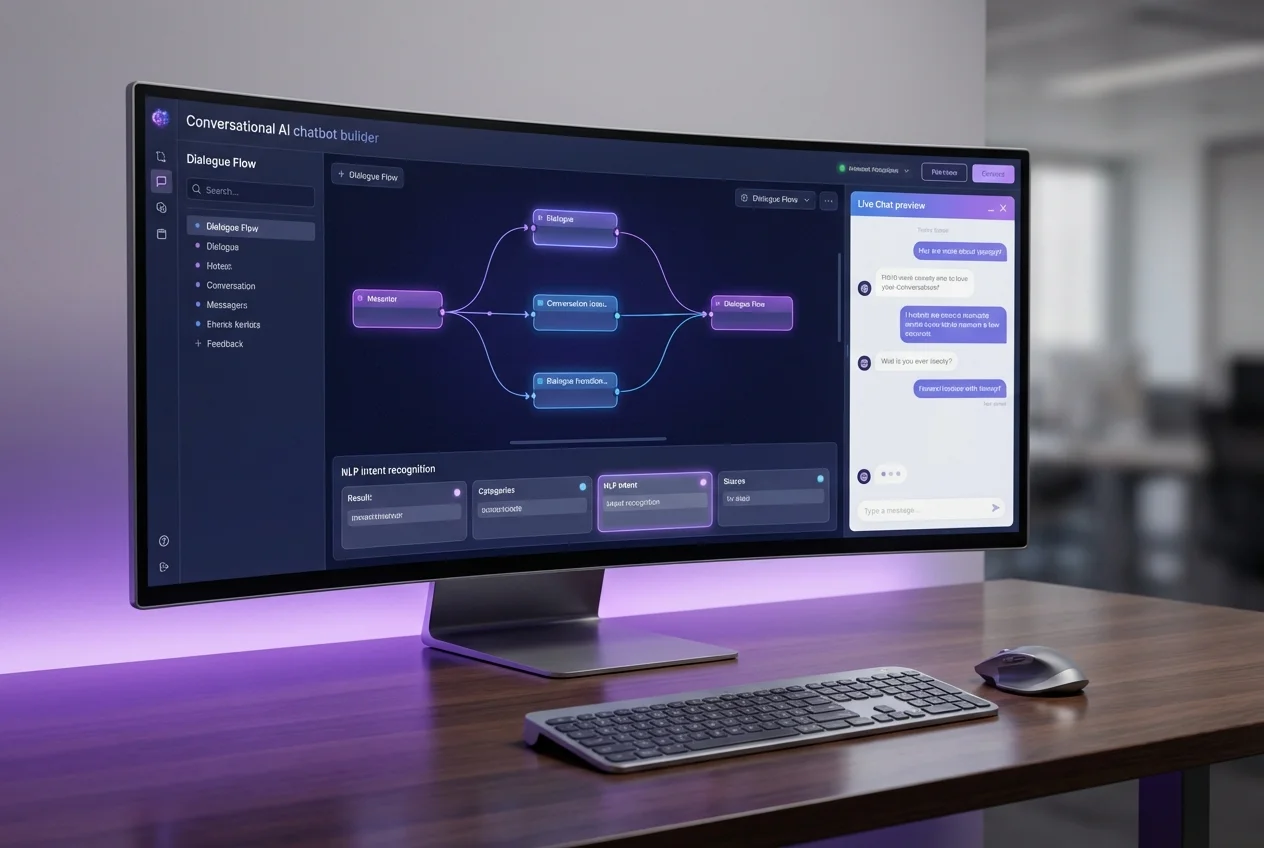 Customer-Facing AI Agents
 Document & Data Intelligence
 Agent Readiness & Roadmap