
Education
What Is AI Automation? A Plain-English Guide for Business Leaders
·9 min read
Most automation stops where the rules stop. The moment an input arrives that nobody predicted — a supplier email that mixes two orders, an application missing one field, a request phrased in a way the form never anticipated — the workflow halts and a human picks up the pieces. Agentic workflow automation moves that line. We build workflows where an AI agent owns the outcome end to end: it reads the input, works out what the situation actually is, chooses the next step, resolves the exception if it can, and escalates with full context if it cannot. The result is not a faster pipe between your apps. It is a system that finishes the job.
Before a single integration is written, we run a boundary workshop with the people who own the process today. Together we draw three lines: what the agent decides alone, what it prepares for a human to approve, and what it must never touch. That document — not a feature list — is the real specification. It is also where we will be straight with you: some steps in your process should stay deterministic rules (cheaper, fully predictable), and some should stay human. An agent everywhere is not the goal; the right actor at each step is.
Agentic workflows pay for themselves where volume meets variability: processes that run many times a week but never quite the same way twice, where today a person must read before anything can happen. If your process is high-volume and identical every time, honest answer: you need well-built deterministic automation, not an agent — and we will scope that instead, because the measure of the engagement is your result, not the sophistication of the technology.
The engineers who design your agent boundaries are senior people — most with well over a decade of production systems behind them — and the same team reviews every live agent weekly. When we put an agent into your operation, we are accountable for what it does there. That is the arrangement: your success is the metric, and the audit trail means neither of us has to take it on faith.
If you have been comparing agentic AI workflow automation services before committing budget, the short version is this: you are not buying a faster Zapier. You are buying a system that reads an input it was not explicitly told how to handle, reasons about what it means, and decides — inside the boundary we agreed with you — what happens next. Our full breakdown of what changes, when it earns its cost, and how to evaluate a vendor is in Agentic AI Workflow Automation Explained, written for UK ops teams doing exactly this comparison.


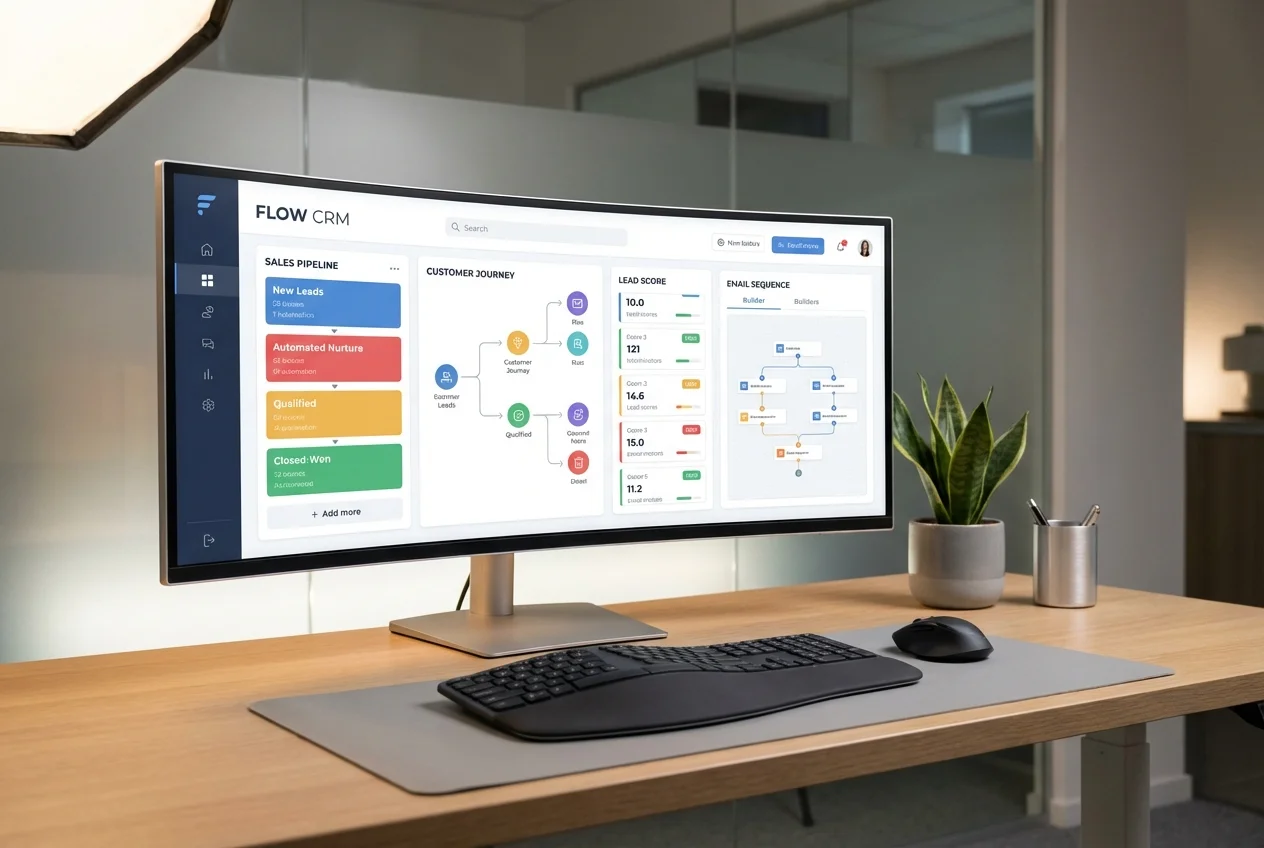 Sales & CRM Agents
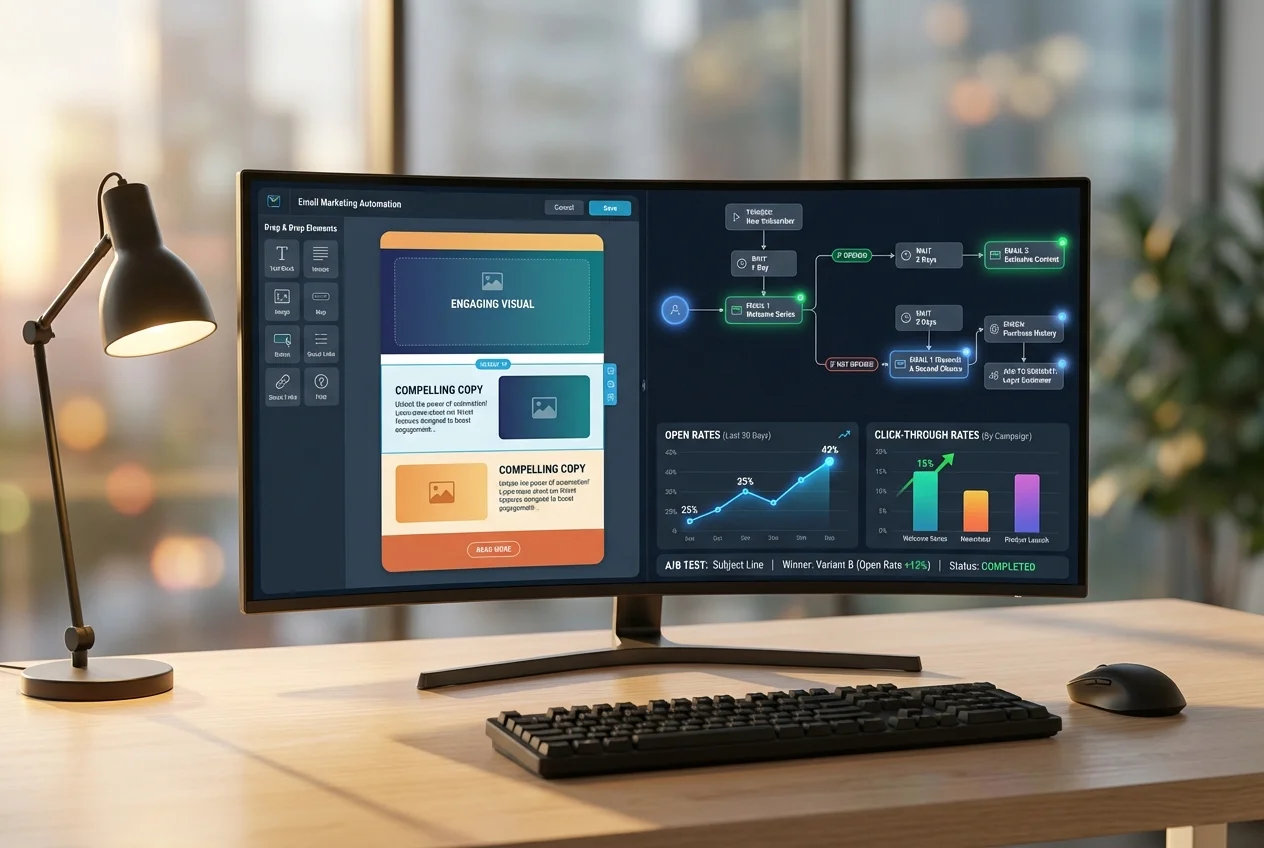 Lifecycle & Outreach Agents
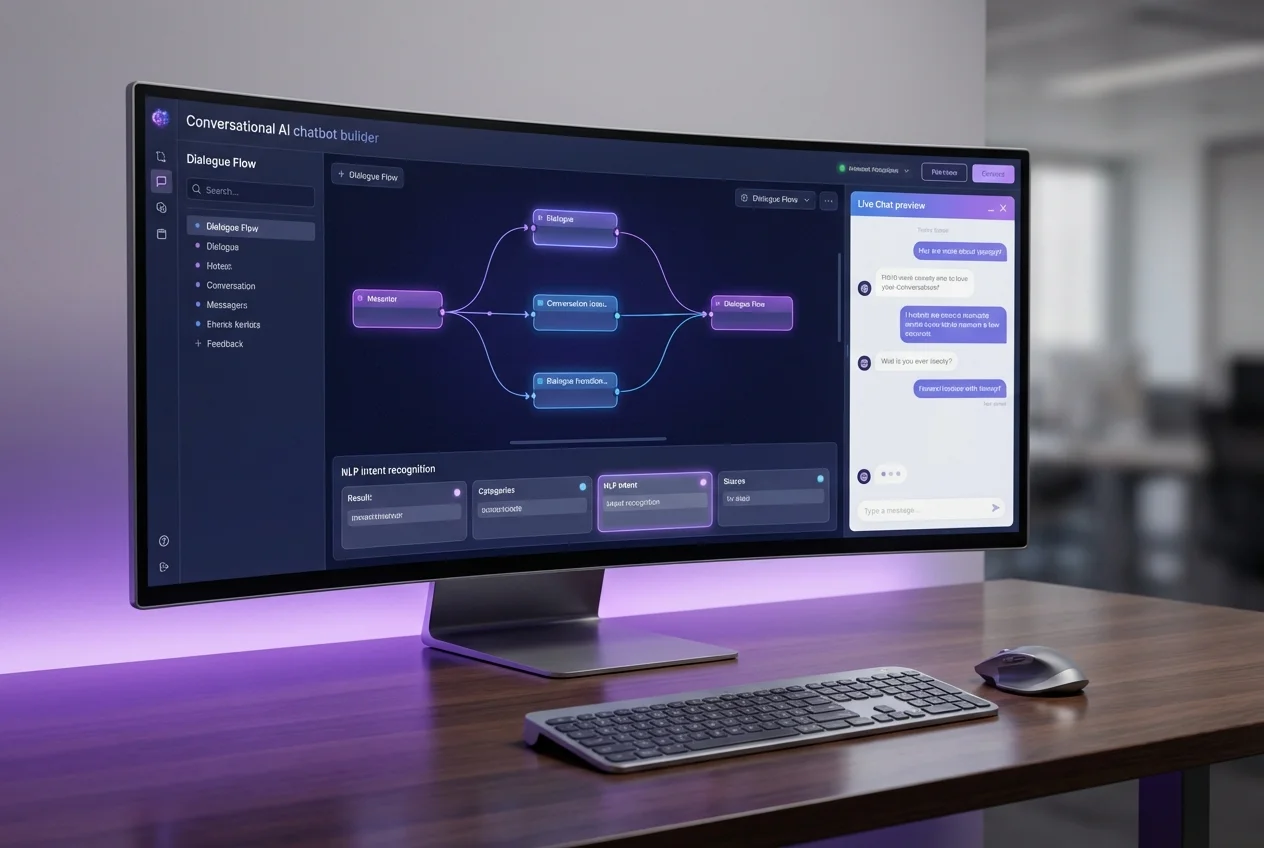 Customer-Facing AI Agents
 Document & Data Intelligence
 Agent Readiness & Roadmap