5 Ways AI Automation Is Transforming London's Tech Sector

London Has Always Been an Early Adopter
As one of the world's leading technology hubs, London has a long track record of adopting new tools earlier than most. The current wave of AI automation is no different — but the scale and pace of adoption is unlike anything the sector has seen before. Companies that embraced cloud computing early, or that moved to SaaS-based operations ahead of the curve, are now doing the same with AI automation.
Here are five concrete ways it's reshaping how London's tech companies operate.
1. Scaling Customer Operations Without Scaling Headcount
For years, the equation for growing a SaaS business was simple: more customers means more customer success and support staff. That equation is changing. London-based SaaS companies are increasingly deploying AI-powered support automation to handle tier-one queries — account access, billing questions, feature guidance, onboarding steps — at scale without proportional hiring.
The result is that customer success teams can handle significantly larger books of business per person, focusing their time on strategic accounts and complex issues rather than routine queries. For a company growing from 500 to 5,000 customers, this is a genuine structural advantage.
2. Automating the Sales Development Function
The traditional SDR role — researching prospects, personalising outreach, following up relentlessly — is being partially automated in ways that would have seemed impossible two years ago. AI tools can now research a target company, identify the right contact, draft a personalised first email based on recent company news, and manage the follow-up sequence without human input for each step.
This doesn't eliminate SDR roles — it changes them. The best SDRs in London's tech companies are now managing AI-assisted outreach at a scale that would previously have required a team of five, reserving their human time for the conversations where it matters.
3. Compressing Engineering Release Cycles
Internally, London's tech companies are using automation to compress the operational overhead of software development. Automated testing pipelines, AI-assisted code review, automated deployment workflows, and intelligent monitoring and alerting systems are reducing the time between a line of code being written and that feature reaching users.
This isn't just about speed — it's about reliability. Automation removes the manual steps in release processes that are most likely to introduce errors, and catches problems before they reach production.
4. Transforming Finance and Compliance Processes
The regulatory environment for UK tech companies — particularly those in fintech, healthtech, and legaltech — is complex and demanding. AI automation is being used to reduce the manual burden of compliance: automatically categorising transactions, flagging anomalies, generating audit trails, and producing regulatory reports from operational data.
For companies operating across multiple jurisdictions, this is particularly valuable. Automation can apply different rules to different data sets simultaneously — something that would require a large compliance team to do manually.
5. Changing How Companies Think About Hiring
Perhaps the most significant long-term impact of AI automation on London's tech sector is how it's reshaping hiring strategy. Companies are increasingly asking: should we hire another operations person, or should we automate what that person would do? Should we grow our support team, or invest in a better AI-powered support system?
This doesn't mean headcount is falling — most growing companies are still hiring. But the profile of who they're hiring is changing. There's growing demand for people who can work effectively alongside automated systems, manage AI tools, and identify new automation opportunities — and less demand for people whose role is primarily executing repetitive manual processes.
What This Means for Your Business
Whether you're a five-person startup or a 500-person scale-up, the directional shift is the same: operational efficiency at scale is increasingly a function of how well you use automation, not just how many people you employ. Getting ahead of this curve now — starting with targeted automations of your highest-pain processes — puts you in a stronger position as the technology continues to develop.
If you'd like to explore what this looks like in practice for your business, our workflow automation agency team is happy to start with a free consultation.
 Agentic Workflow Automation
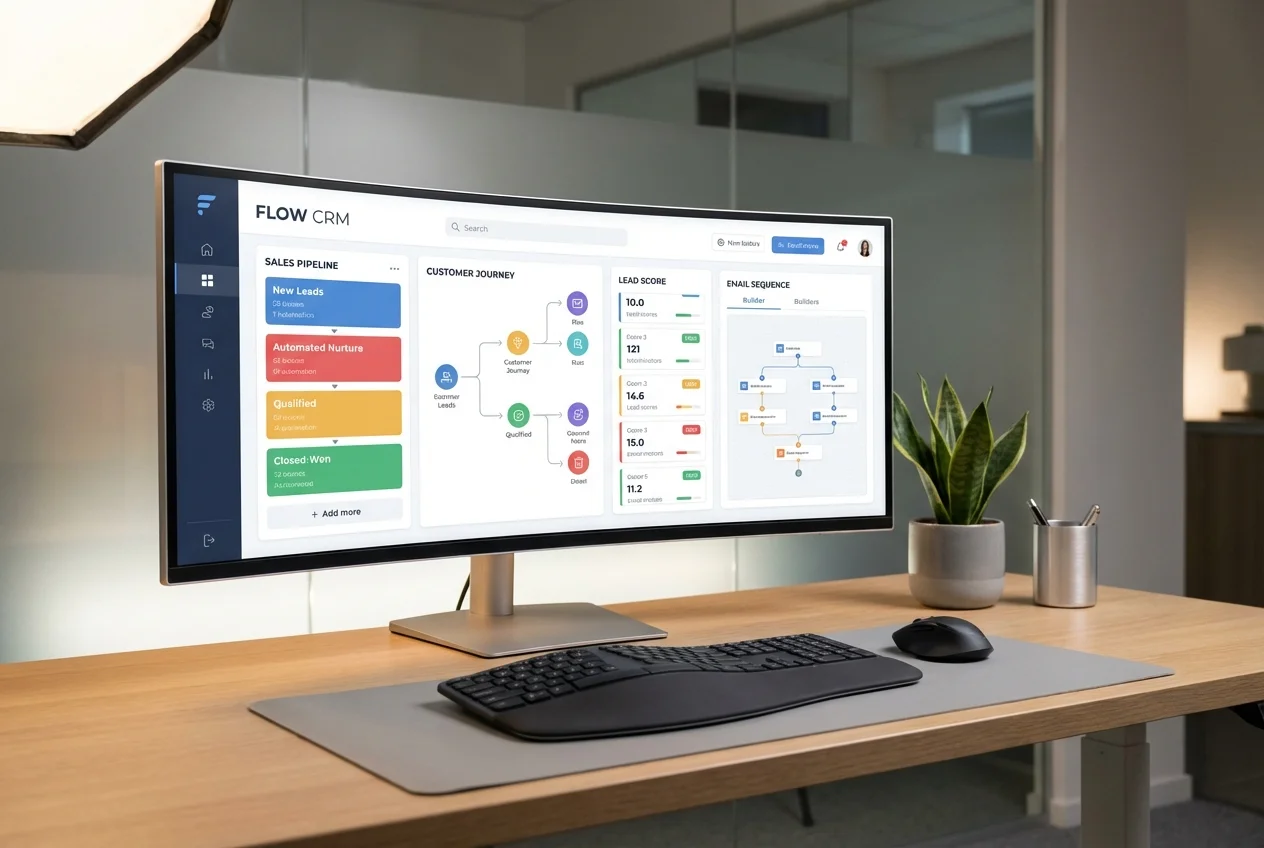 Sales & CRM Agents
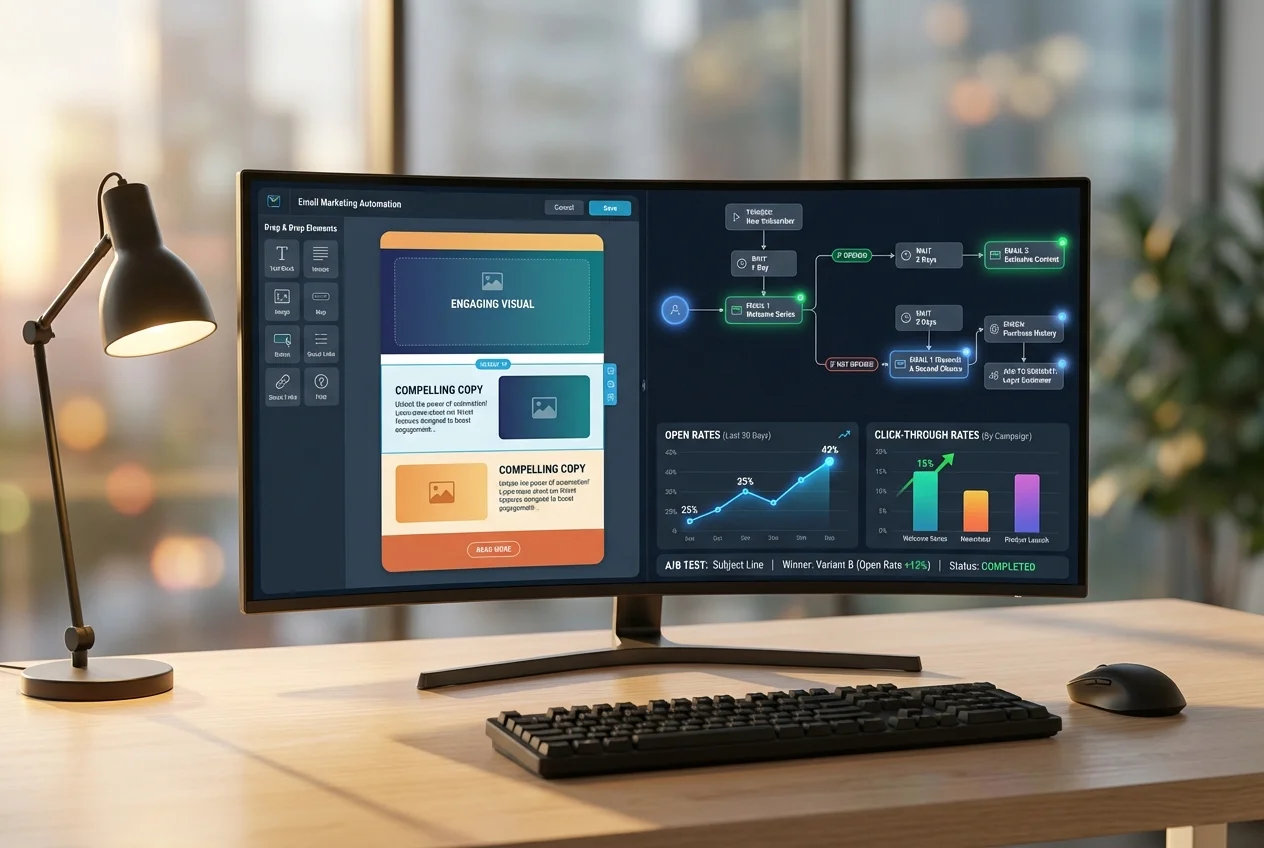 Lifecycle & Outreach Agents