AI Automation: The Complete UK Business Guide for 2026

What Is AI Automation?
AI automation is the practice of using artificial intelligence — typically large language models such as GPT-4o — as the decision-making layer inside business workflows that previously needed a human to interpret information, weigh context, or choose an action. Where traditional automation handles structured, predictable inputs ("when invoice arrives, save to folder"), AI automation handles the messy, unstructured operational work that fills most of a knowledge worker's week: reading inbound emails, summarising calls, classifying documents, drafting replies, validating data, and routing exceptions. For UK businesses in 2026, AI automation is no longer experimental — it is the single highest-ROI technology investment most operations teams can make. Most clients we work with see 30 to 50 hours per week recaptured across their team within 90 days of going live.
How AI Automation Differs From Traditional Automation
The difference between traditional and AI automation matters because it determines which parts of your business you can actually automate. Traditional workflow tools — Zapier, basic Make scenarios, classic CRM rules — execute predetermined branches based on structured triggers. They work brilliantly for predictable, machine-readable inputs, but they fail the moment the input requires interpretation. Read our plain English guide to AI automation for a foundational explainer.
AI automation replaces those rigid branches with a language model that reads the input, understands intent, and chooses the right action. A traditional automation can route a "new lead" form submission to a salesperson. An AI automation can read a free-text email enquiry, extract the underlying need, score the lead against your ideal customer profile, write a personalised reply, log structured fields back to your CRM, and notify the right rep — all without anyone touching a keyboard. The traditional version handles maybe 20% of your operational work. AI automation reaches the other 80%.
The UK AI Automation Market in 2026
UK businesses have moved from pilot projects to production deployments over the past 18 months. The drivers are clear: LLM costs have fallen by an order of magnitude, integration platforms (n8n, Make, custom Node and Python stacks) have matured, and the operational savings have become impossible to ignore in tightening margins. A typical UK SME running an AI automation programme recaptures £40,000 to £120,000 of annual operating cost — usually within four to six months of payback. For mid-market and enterprise teams, those numbers scale linearly with headcount in the affected functions.
The supply side has changed too. Two years ago, "AI automation" was a niche capability offered by a handful of specialist agencies. In 2026, the market includes everything from established engineering firms to freelancers who rebranded last quarter. The quality gap is enormous — and choosing the wrong automations agency can cost more than not automating at all. See our guide on choosing an AI automation agency in the UK.
The Highest-ROI AI Automation Use Cases for UK Businesses
1. Inbound Lead Handling and CRM Hygiene
The fastest-payback automation for most UK businesses is intelligent inbound lead handling. An AI automation reads every inbound enquiry — web form, email, voicemail transcript — extracts structured fields, scores the lead against your ICP, drafts a personalised first reply, logs everything to your CRM, and routes the lead to the right rep with full context. Typical impact for a 10-person sales team: 8 to 12 hours per week recaptured, response times measured in minutes rather than hours, and 15 to 25% higher conversion on inbound. Our CRM automation service covers this end to end.
2. Document Processing and Back-Office Operations
Finance, legal, HR and operations teams spend a disproportionate amount of time reading documents — invoices, contracts, CVs, claims, expenses — extracting fields, validating them against rules, and feeding the results into downstream systems. AI automation reads the document, extracts structured data with high accuracy, validates it, and either books the transaction or escalates exceptions. UK finance teams using AI automation for invoice processing typically reduce processing time per invoice from 8 minutes to under 30 seconds. Read our guide to AI automation in finance and accounting for sector-specific detail.
3. Customer Service Triage and Resolution
AI automation is transforming customer service operations by handling the high-volume, structured queries (order status, account access, returns, product questions) that historically consumed 60 to 70% of support team capacity. Properly deployed, an AI customer service automation resolves 75 to 85% of inbound queries instantly, escalates the remainder with full context to a human agent, and writes everything back to your CRM. Our AI chatbot service covers the deployment pattern in detail.
4. Proposal Generation and Sales Operations
Generating a proposal, statement of work, or quote typically takes a salesperson one to three hours. AI automation collapses that to a structured discovery conversation plus an automated generation step, producing a fully personalised document in minutes — ready for the rep to review and send. For sales teams running ten or more proposals per week, the recaptured time is substantial and the consistency improvement is even more valuable.
5. Data Pipeline Automation and Reporting
Most UK businesses have data scattered across half a dozen SaaS platforms, with hand-built spreadsheets stitching them together for weekly or monthly reporting. AI automation replaces those spreadsheets with continuous pipelines that pull, clean, enrich, and report — with intelligent anomaly detection that surfaces issues the moment they appear. See our data pipeline automation service.
What AI Automation Costs in the UK
UK AI automation pricing varies based on scope, complexity, and integration depth. Typical ranges in 2026:
- Single-process automation: £1,000 to £5,000 for design, build, integration, and testing of one well-scoped workflow.
- Multi-process programme: £8,000 to £25,000 for a coordinated automation programme covering three to six related processes.
- Enterprise transformation: £25,000 to £100,000+ for large, integrated automation programmes spanning multiple functions and including ongoing engineering capacity.
Ongoing running costs — LLM API usage, infrastructure, monitoring — typically run at 10 to 20% of build cost per year. Most clients add a maintenance retainer for continuous evolution as their business changes. See our guide to measuring AI automation ROI for how to model the business case.
How to Plan an AI Business Automation Programme
The most successful AI automation programmes follow a consistent pattern. First, a structured process audit identifying which workflows have the highest manual cost and best automation fit. Second, a clear sequencing decision — start with one or two high-ROI processes to prove value, then expand. Third, an architecture that accounts for integration with your existing systems, AI provider strategy, error handling, and ongoing maintenance. Our process consulting service runs this audit-and-roadmap process for businesses planning a programme of work.
The mistake most businesses make is treating AI automation as a series of point-tool deployments — buying an AI chatbot from one vendor, an automation tool from another, a copilot from a third — and ending up with a patchwork that delivers far less value than a coordinated programme. A capable automations agency designs the system, not just the parts.
How to Choose an Automations Agency in the UK
The signal markers of a serious AI automations agency: in-house UK-based engineers (not offshore contractors); demonstrable production deployments with real AI decision-making; transparent pricing with clearly scoped deliverables; UK GDPR compliance as a first-class concern; structured error handling and monitoring built into every system; and a maintenance model that keeps the system working as your business evolves. A good agency welcomes hard questions about its architecture, references, and post-launch support. Compare our agency vs in-house team analysis if you are deciding whether to build the capability internally.
Getting Started With AI Automation
If you are evaluating AI automation for your business, the highest-leverage first step is a structured opportunity audit — identifying the two or three processes where AI automation will pay back within six months, scoping them properly, and getting a clear cost estimate before any build begins. We run this as a free engagement: a structured conversation about your operations, a written opportunity list ranked by ROI, and a fixed-price proposal for the first phase. Book a free consultation and we will walk through your processes and identify where AI automation will create the most measurable value for your business.
 Agentic Workflow Automation
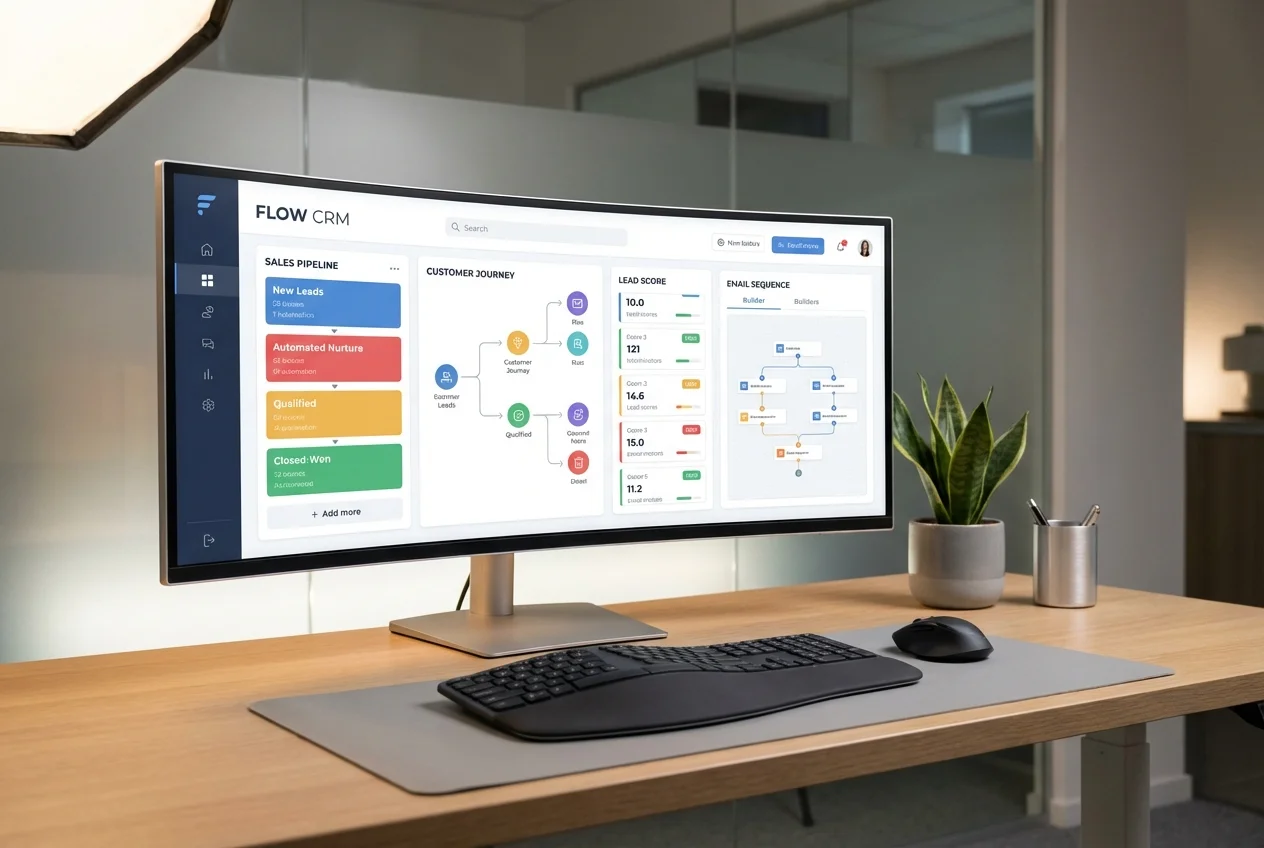 Sales & CRM Agents
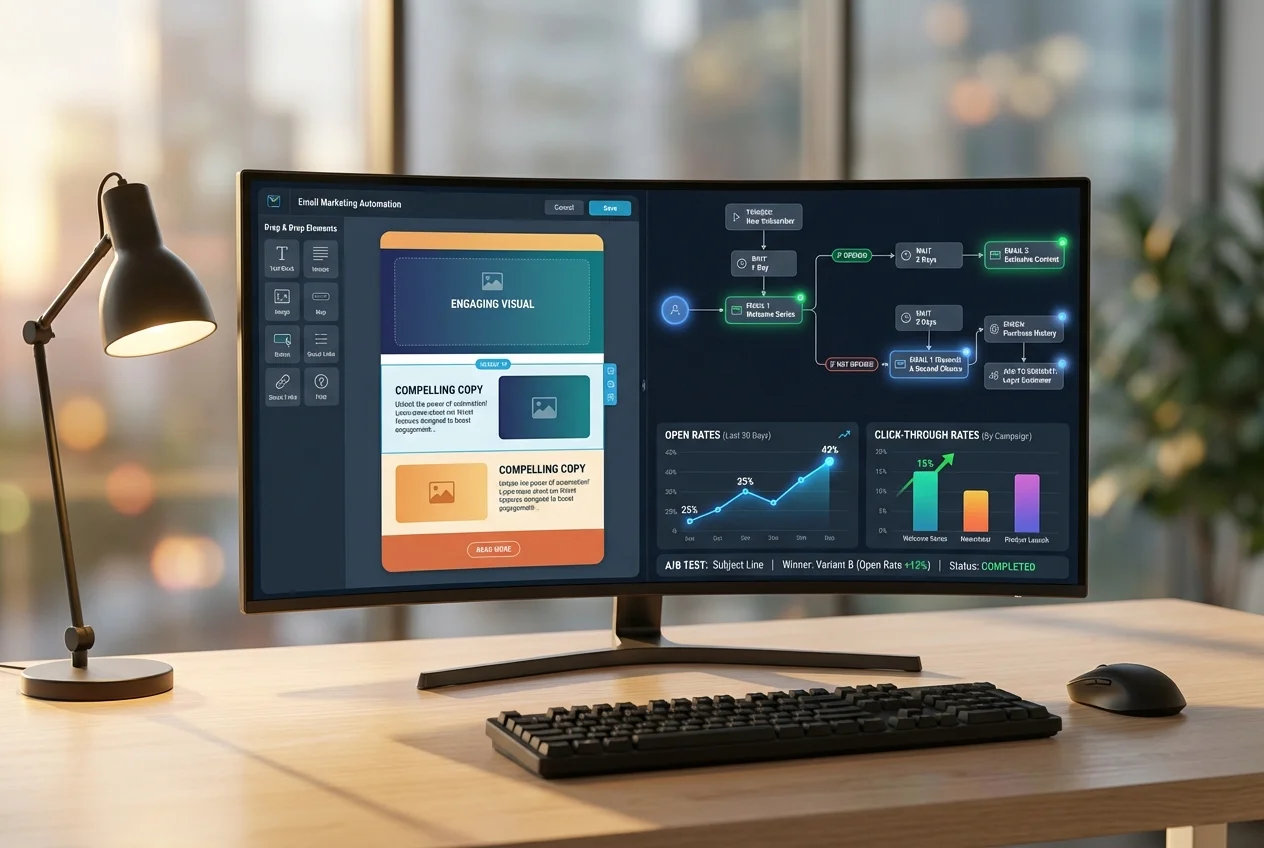 Lifecycle & Outreach Agents