Measuring ROI on AI Automation Investments

The ROI Question Is the Right Question
Not every automation investment is worth making. Some processes cost more to automate than the automation saves. Others are technically feasible but introduce operational risk that outweighs the efficiency gains. Building the right framework for measuring ROI before you start — and tracking it after — is what separates businesses that get lasting value from automation from those that end up with an expensive collection of workflows that nobody trusts.
The Direct Cost Savings
The most obvious measure of automation ROI is the direct labour cost saved. If an automation eliminates eight hours of manual work per week across your team, and the fully-loaded cost of that team time (salary, NI, benefits, overhead) is £25 per hour, the automation delivers £10,400 per year in direct savings.
To calculate this accurately:
- Measure the actual time spent on the process before automation — not what people estimate, but what they track
- Use fully-loaded cost rather than raw salary — add 20-30% for employer NI, benefits, and overhead
- Account for the time across all people who touch the process, not just the primary owner
Against this, set the cost of the automation: build cost, platform subscriptions, and an annual estimate for ongoing maintenance (typically 10-20% of build cost per year for well-built automations).
The Indirect Benefits
Direct labour savings are usually the tip of the iceberg. The harder-to-quantify but often larger benefits include:
Error Reduction
Manual processes have error rates. What does an error cost your business? A data entry mistake in a billing system might cost an hour of corrective work. An error in a client communication might cost a client relationship. Estimate the frequency and cost of errors in the current process and include it in your ROI calculation.
Speed-to-Action
When a new lead comes in, how quickly does your team respond? When an invoice is due, how quickly is it sent? Automation dramatically reduces the time between a trigger event and the appropriate action. In sales contexts, speed of response is directly correlated with conversion rate. Faster response = more revenue.
Capacity for Higher-Value Work
When automation frees up ten hours per week for a senior team member, what do they do with that time? If they can apply it to work that generates revenue or builds client relationships, the value is significantly higher than the raw labour cost saved. This is harder to measure but worth estimating.
Consistency and Quality
Manual processes are inconsistent — they depend on who does them, when they do them, and how tired they are that day. Automated processes are consistent by definition. For client-facing processes, consistent quality has a measurable effect on satisfaction and retention.
Setting Up Your Measurement Framework Before Go-Live
The biggest mistake businesses make with automation ROI is not establishing a baseline before the automation goes live. Once the manual process is gone, it's very hard to reconstruct what it was costing you.
Before launching any significant automation, record:
- The average time spent on the process per week (with tracking data, not estimates)
- The error rate in the current process
- The average time between trigger events and actions (lead response time, invoice generation time, etc.)
- Any relevant output quality metrics (customer satisfaction scores, conversion rates)
Track the same metrics after go-live. The difference is your ROI story.
The Payback Period Calculation
A simple payback period calculation helps prioritise automation investments:
- Total automation cost (build + first year platform costs) ÷ Annual savings (direct + estimated indirect) = Payback period in years
Most well-designed business automation should achieve payback within 6-18 months. If your calculation shows longer than two years, either the automation is too expensive for the problem it solves, or you haven't captured all the indirect benefits correctly.
What Good Looks Like
For context, here are representative ROI outcomes from our client work:
- A recruitment agency's lead automation: build cost £4,500, annual saving £28,000 in labour and increased conversion. Payback: under 2 months.
- A professional services firm's client onboarding automation: build cost £6,000, annual saving £35,000 in fee earner time. Payback: under 3 months.
- An e-commerce company's order processing automation: build cost £8,000, annual saving £15,000 in labour plus £40,000 in error-related returns reduction. Payback: under 2 months.
These are not unusual. When automation is targeted at the right processes, the returns are typically very strong.
A Note on Soft Benefits
Finally, don't ignore the benefits that don't have a number attached to them. Team morale — the impact of removing genuinely tedious work from people's days — is real and matters. Client satisfaction improvements are real. The reduced stress of knowing that business-critical processes are running reliably, without someone having to remember to do them, is real.
These don't go in the spreadsheet, but they're part of the full picture of what good automation does for a business.
 Agentic Workflow Automation
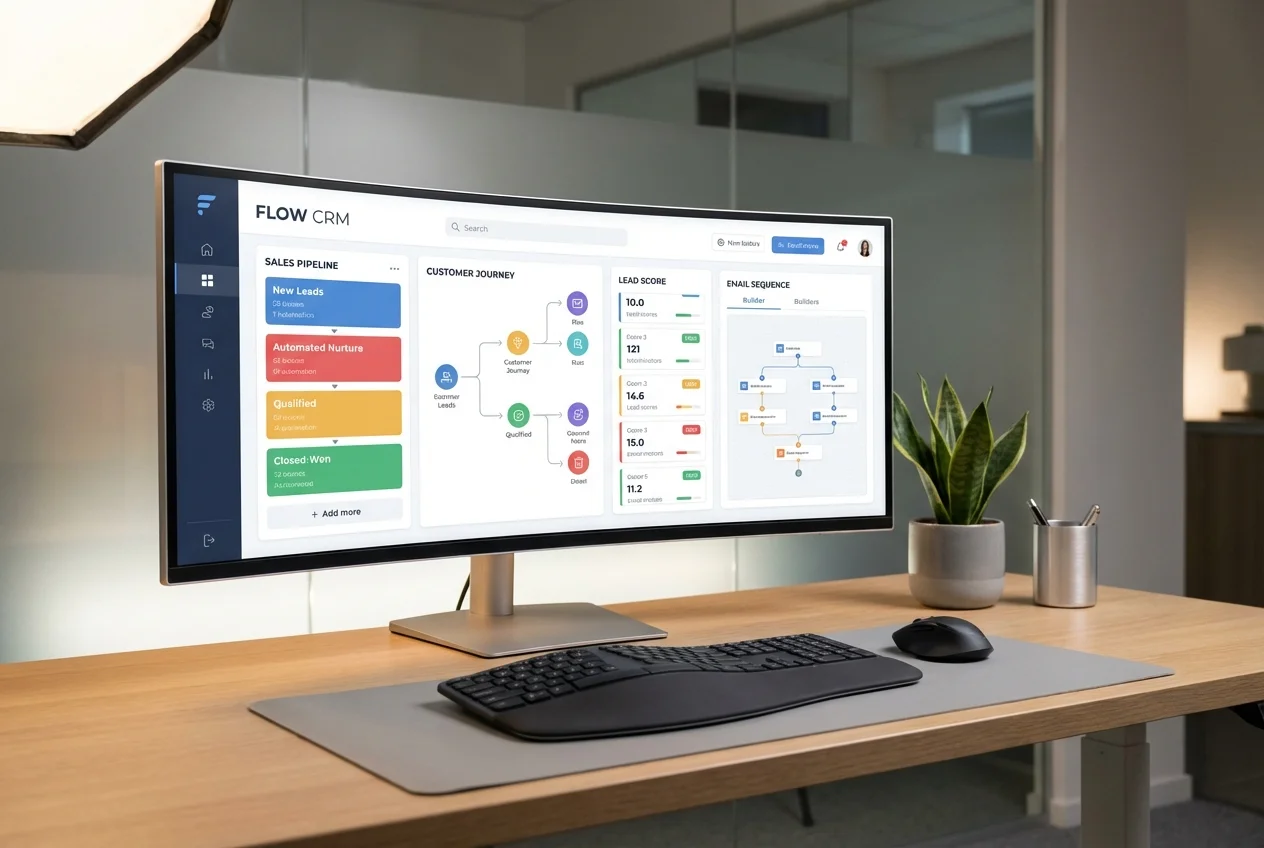 Sales & CRM Agents
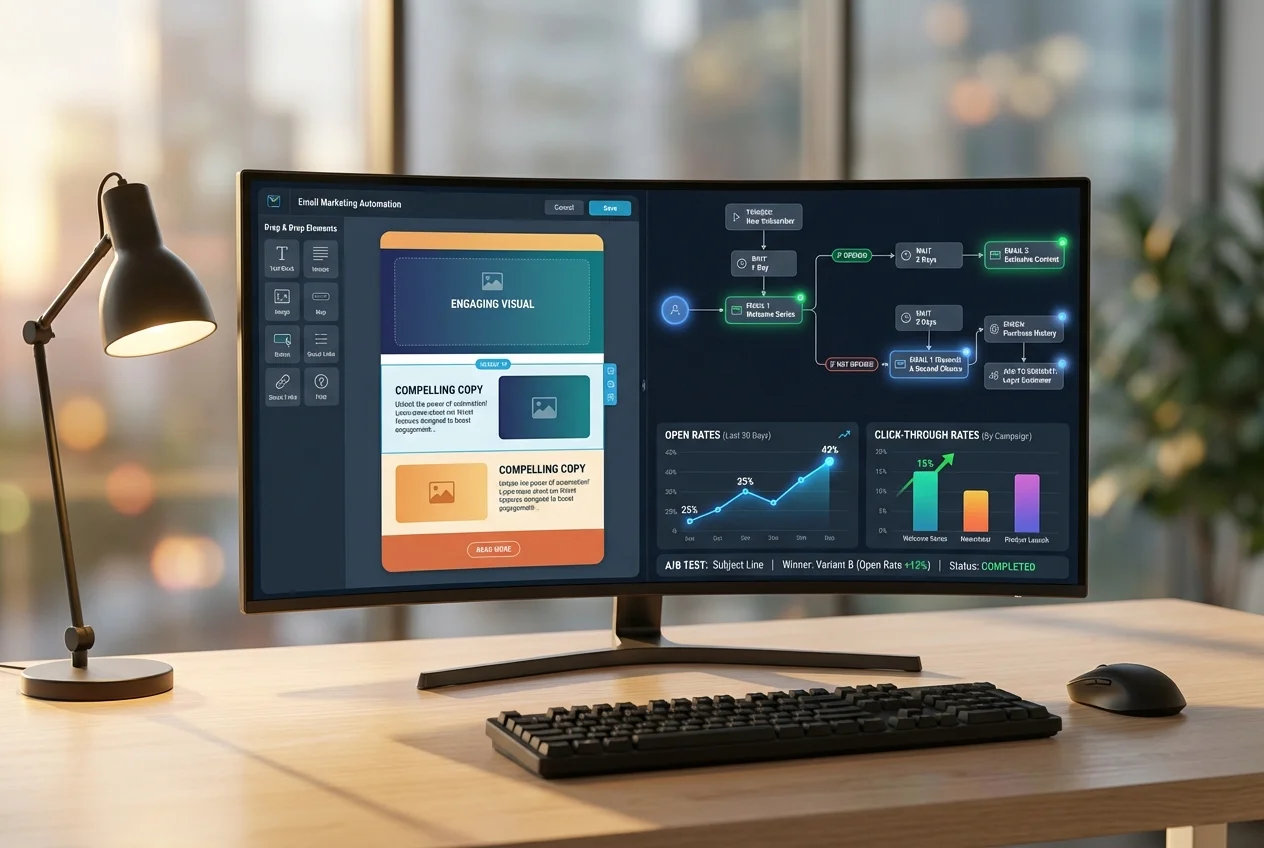 Lifecycle & Outreach Agents